Exploring Plant-Based Proteins: A Comprehensive Guide for Sustainable Eating
An overview of plant-derived protein sources, their amino acid compositions, and the nutritional context of plant-centred dietary patterns in relation to sustainable food systems.
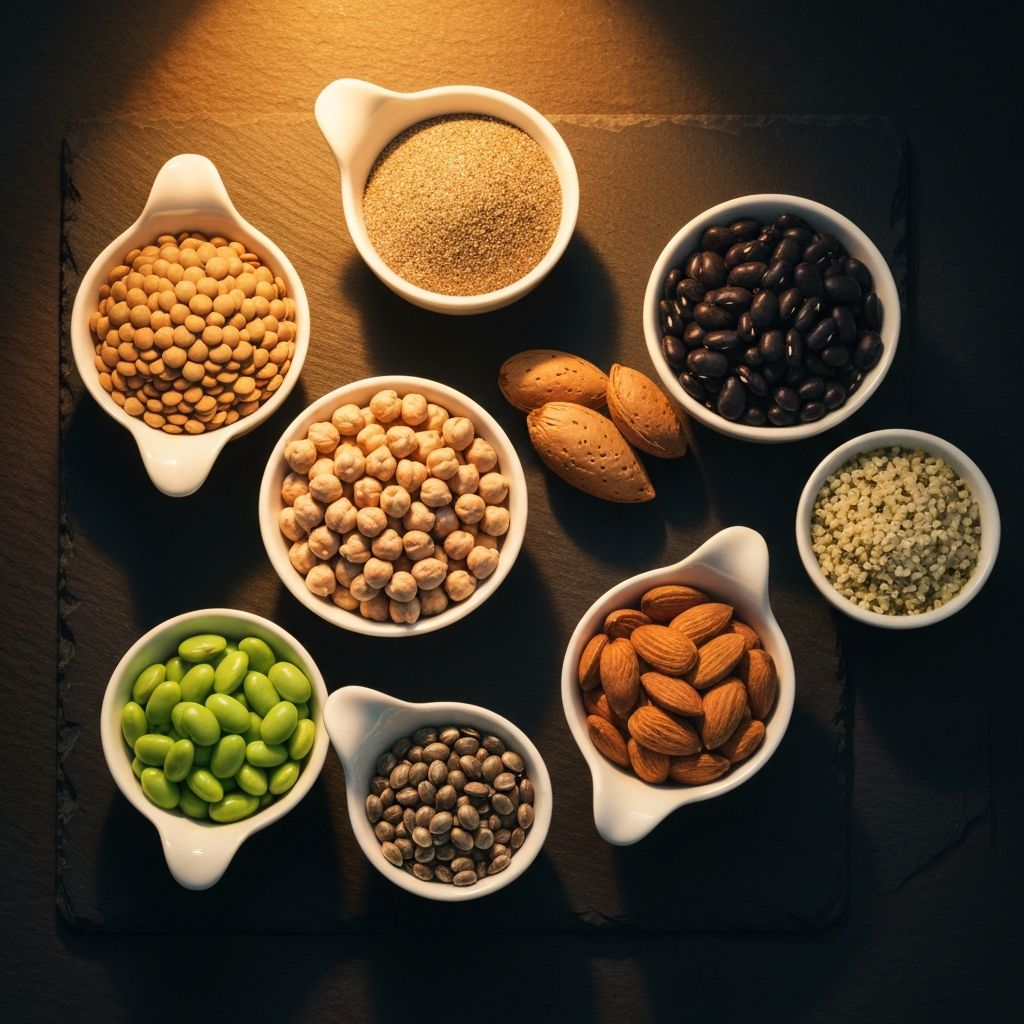
Protein in a Plant-Based Context
Protein is a fundamental macronutrient, required for the synthesis of structural tissues, enzymes, hormones, and immune system components. In dietary discussions, animal-derived proteins have historically dominated nutritional frameworks due to their complete amino acid profiles. Yet a wide diversity of plant-based sources exists, each contributing meaningfully to overall protein intake when understood within the context of a varied diet.
Plant proteins are derived from legumes, nuts, seeds, whole grains, and certain vegetables. Each source contains proteins composed of amino acids, though the proportions and relative quantities of essential amino acids — those the human body cannot synthesise independently — differ across plant foods.
Understanding protein complementation, amino acid profiles, and the broader nutritional role of plant protein sources forms the basis of this educational overview.
Amino Acid Profiles: Essential and Non-Essential
Proteins are composed of twenty standard amino acids, nine of which are classified as essential — meaning they must be obtained through dietary intake. These nine essential amino acids are histidine, isoleucine, leucine, lysine, methionine, phenylalanine, threonine, tryptophan, and valine.
Animal-derived proteins typically contain all nine essential amino acids in proportions that broadly match human requirements, which is why they are described as complete proteins. Many individual plant protein sources are lower in one or more essential amino acids. For example, legumes tend to be lower in methionine and cysteine but adequate in lysine, whereas many grains exhibit the inverse pattern — lower in lysine but adequate in sulfur-containing amino acids.
This characteristic has historically led to the concept of protein combining, wherein complementary plant foods consumed across a day can together provide a full complement of essential amino acids. Contemporary nutritional understanding acknowledges that strict meal-by-meal combining is not necessary; adequate intake across the day from a varied plant food base generally meets amino acid requirements.
Comparison of Major Plant Protein Sources
The following overview describes the nutritional characteristics of key plant protein categories:
| Source | Approx. Protein per 100g (dry) | Notable Amino Acid | Limiting Amino Acid | Additional Nutrients |
|---|---|---|---|---|
| Lentils | 25g | Lysine | Methionine | Folate, iron, fibre |
| Chickpeas | 20g | Lysine | Methionine | Manganese, phosphorus, fibre |
| Black Beans | 22g | Lysine | Methionine | Iron, magnesium, folate |
| Hemp Seeds | 32g | Complete profile | Lysine (moderate) | Omega-3 fatty acids, magnesium |
| Almonds | 21g | Arginine | Lysine | Vitamin E, calcium, healthy fats |
| Edamame | 36g | Complete profile | Methionine (lower) | Calcium, iron, vitamin K |
| Quinoa | 14g (cooked: 4g) | Complete profile | Lysine (moderate) | Magnesium, iron, fibre |
| Tempeh | 19g | Complete profile | Methionine (moderate) | Manganese, B vitamins, probiotics |
Values are approximate and will vary by variety, preparation method, and source. Figures represent dry or uncooked weight unless otherwise noted.
Legumes: Lentils, Beans, and Peas
Legumes represent one of the most studied plant protein categories. Lentils, dried beans, chickpeas, split peas, and soybeans are all members of the legume family (Fabaceae). They are characterised by their combination of protein and complex carbohydrates, as well as their fibre content and a range of micronutrients including iron, folate, and zinc.
Soybeans and soy-derived products such as tofu and tempeh are notable for containing all nine essential amino acids at levels broadly sufficient for adult requirements. Tempeh, produced through fermentation of whole soybeans, has a modified nutritional profile compared with unfermented soy, and the fermentation process affects the bioavailability of certain minerals by reducing phytate levels.
Nuts and Seeds
Nuts and seeds contribute protein alongside healthy fatty acids, fat-soluble vitamins, and a range of minerals. Hemp seeds, pumpkin seeds, and sunflower seeds are among the higher-protein options within this category. Hemp seeds in particular are noted for containing a relatively balanced essential amino acid profile.
Chia seeds, while commonly included in discussions of plant proteins, provide moderate protein alongside notable omega-3 alpha-linolenic acid (ALA) content and soluble fibre. Their protein content by weight is significant, though practical portions consumed are typically small relative to other sources.
Whole Grains as Supplementary Protein Sources
Whole grains contribute to total daily protein intake, particularly when consumed in the quantities typical of traditional grain-based dietary cultures. Quinoa and amaranth stand apart from most other grains in containing all essential amino acids, which has led to their description as pseudocereals. Oats provide protein at moderate levels alongside their well-documented fibre content.
A varied diet drawing from legumes, nuts, seeds, and whole grains across the day provides the amino acid diversity necessary for adequate protein nutrition — without requiring precise meal-by-meal combining.
Educational Context
This article provides a general educational overview of plant protein sources and their nutritional properties. It is not intended to prescribe any specific dietary pattern or to substitute for advice from a registered dietitian or healthcare professional. Individual nutritional requirements vary based on age, activity level, health status, and other factors not addressed here.
Not a medical product. Always consult a healthcare professional before making any dietary changes.